
Packing well saves time on moving day and prevents damage. It is less about how many boxes you have, and more about how you fill them.
Start with the right materials
Use sturdy moving boxes that close properly, tape, packing paper or old newspapers and a thick marker. For clothes, wardrobe boxes with a rail are handy: you hang everything straight in from the wardrobe.
Heavy at the bottom, light at the top
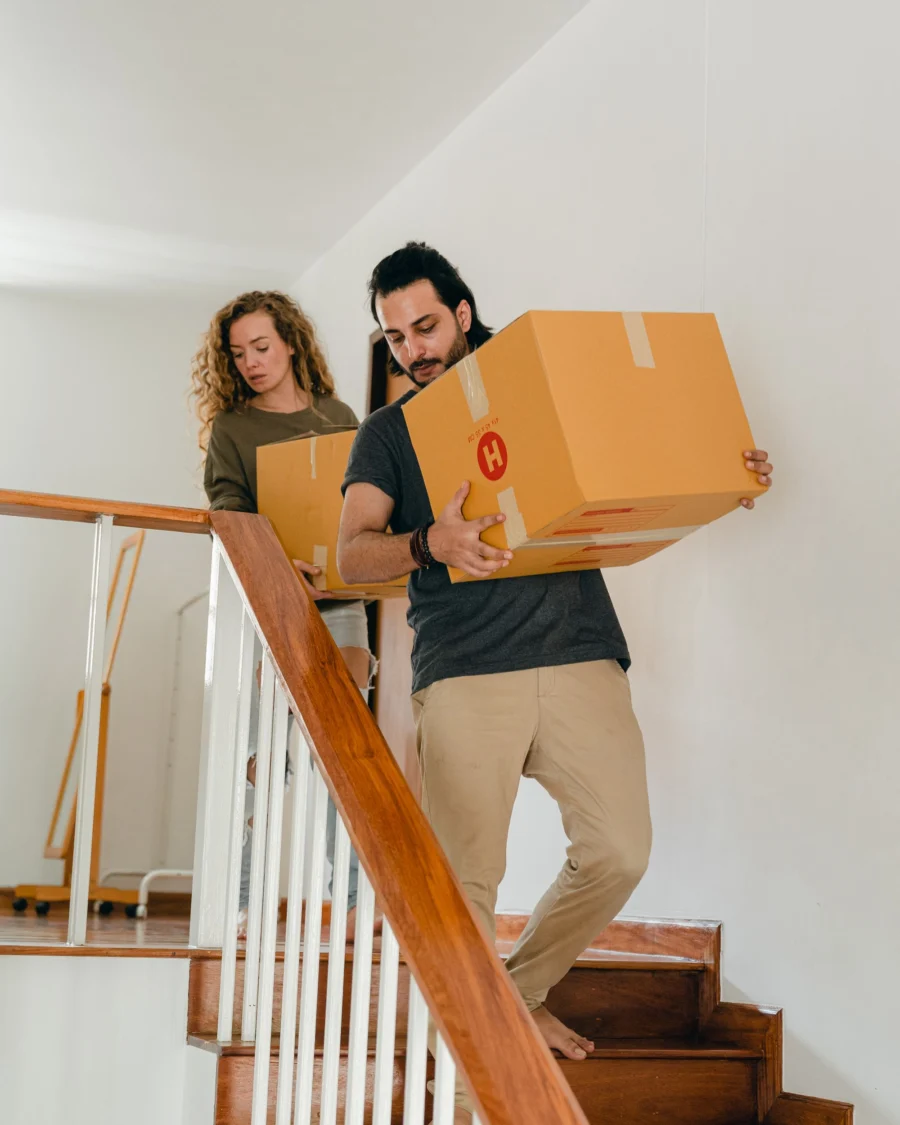
Put books and other heavy things in small boxes, so they stay liftable. Large boxes are for light items such as cushions and blankets. Fill each box completely, because a half-empty box gets crushed when something is put on top of it.
Packing fragile items
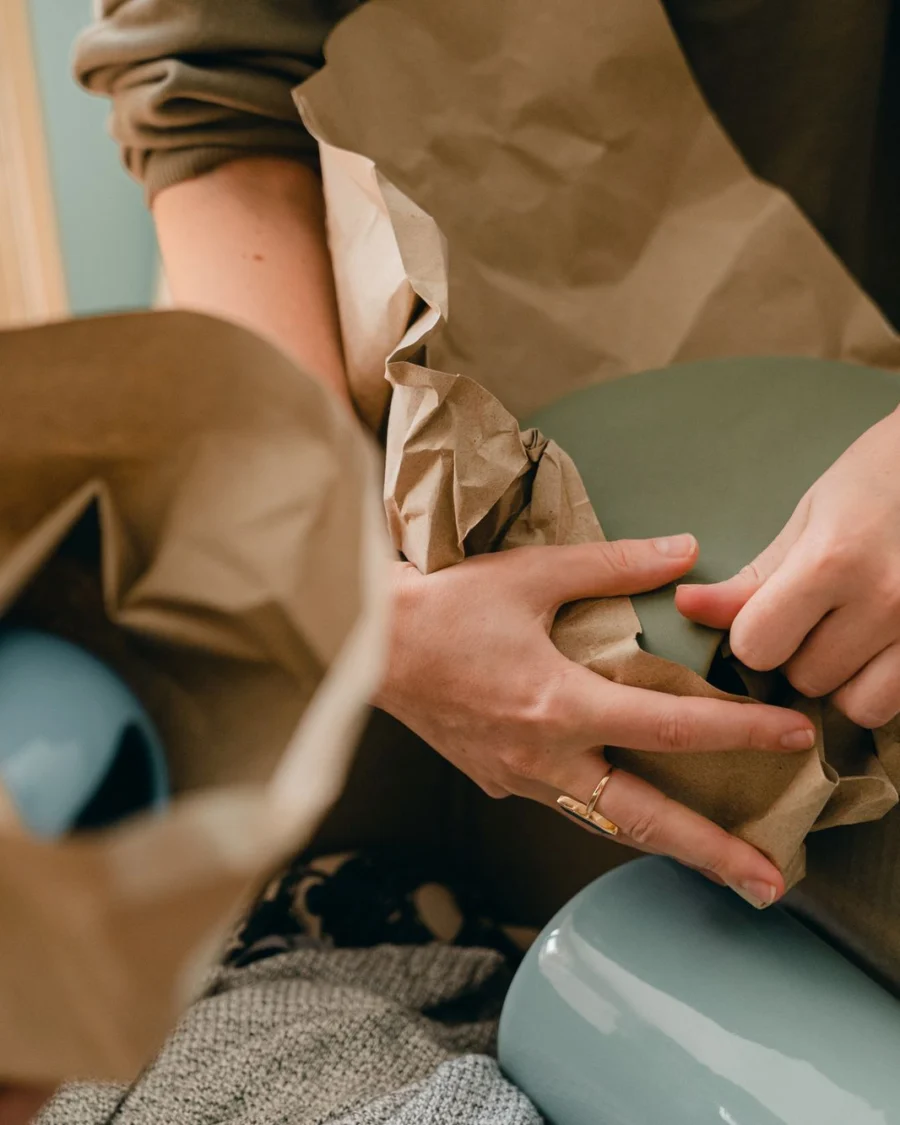
- Wrap plates individually in paper and stand them upright in the box, as in a dish rack.
- Fill glasses with a ball of paper and then wrap them.
- Fill empty spaces with paper, so nothing can shift.
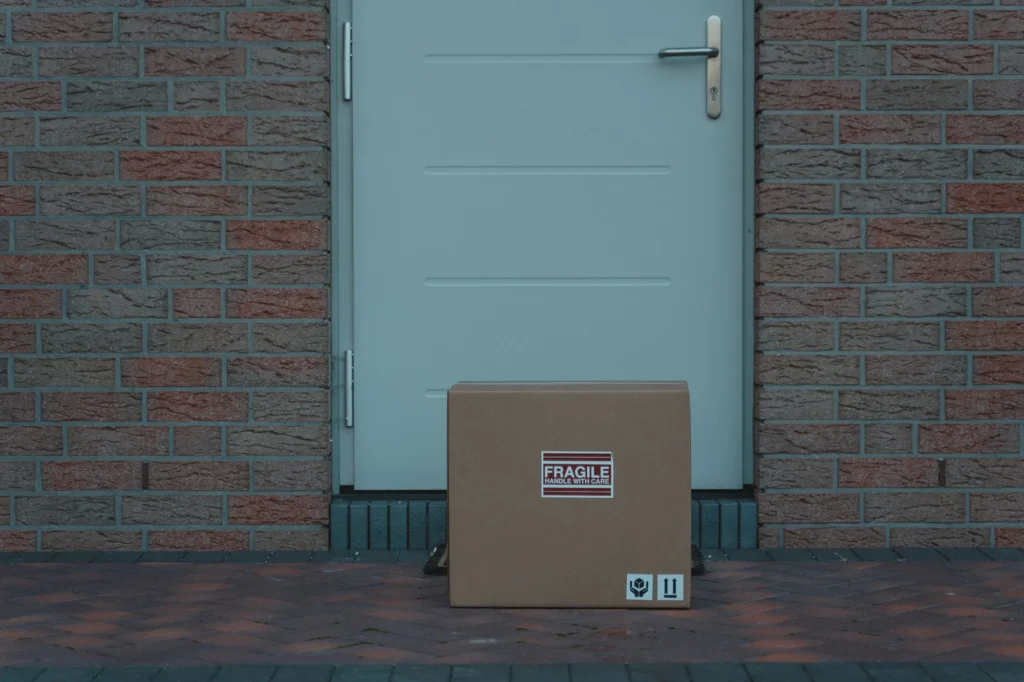
- Write "fragile" and "this way up" on the box.
Label by room
Write on each box which room it is for and what is inside. Even handier: give each room a colour and stick the same colour on the door in the new house. Then everyone knows straight away where a box needs to go.
What you are better off not packing
Keep papers, jewellery, medicines and your laptop with you. And pack one box for the first evening, with everything you will need straight away.