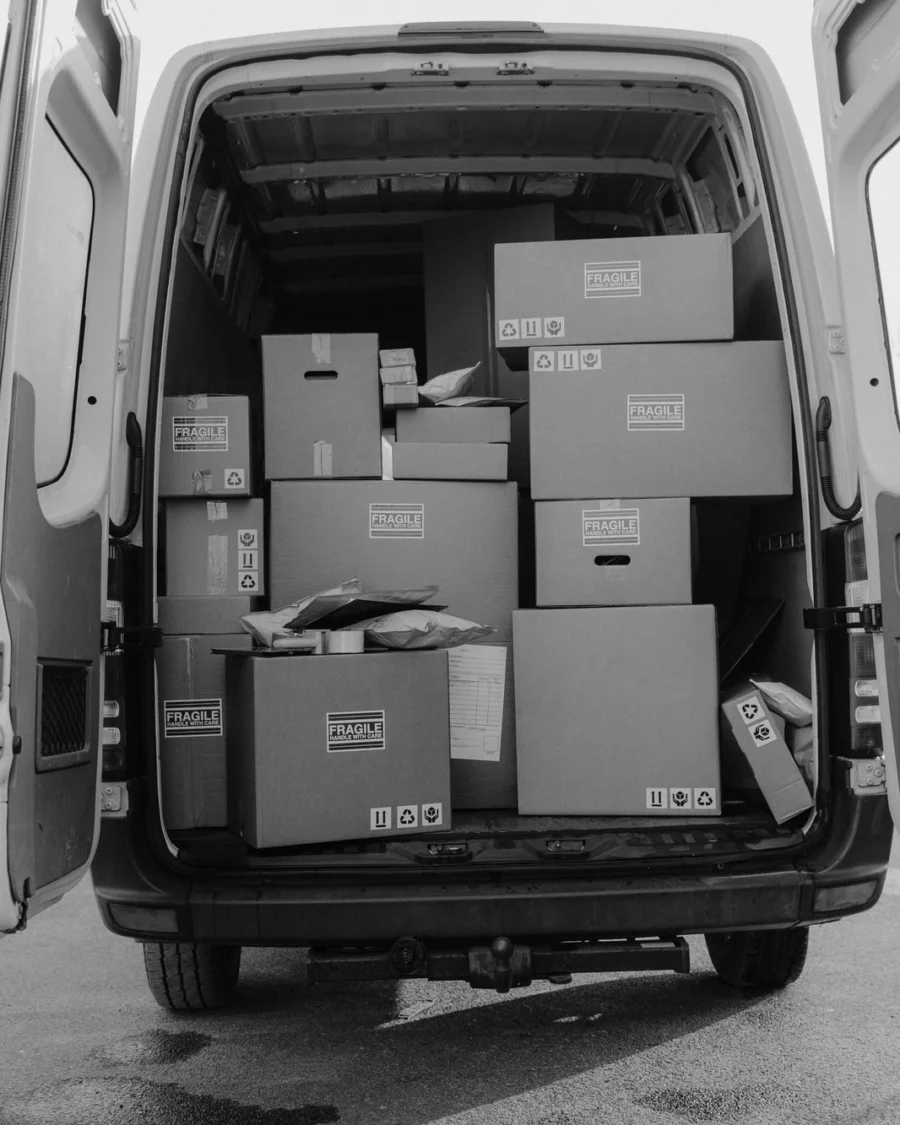

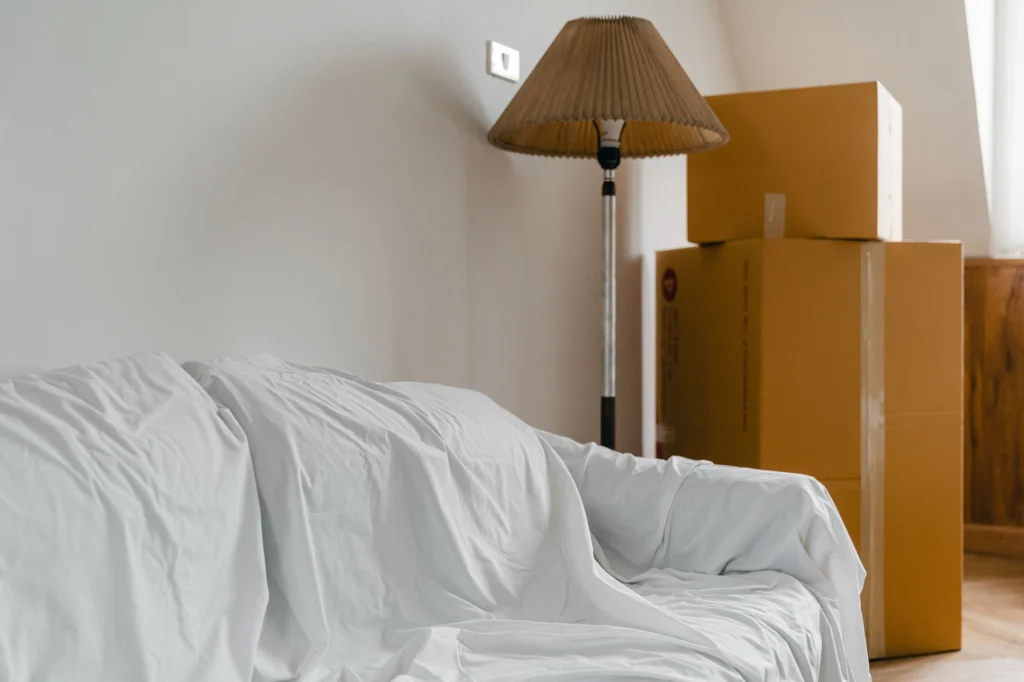
Anything you no longer use, you do not have to pack, carry and find a place for in the new house. Decluttering before the move saves boxes, time and space in the removal van. And you start afresh in your new home.
Start early, and start small
Decluttering takes more time than you think. Start six to eight weeks before the move, and begin with the places you go least: the loft, the shed, the garage and the cupboard under the stairs. That is often where most of the things that have not been used for years are kept. Work room by room and finish each one completely before moving on to the next.
Work with four piles
In each room, set out four boxes or areas:
- Keep: things you use and have room for in the new home.
- Sell: things in good condition that are still worth something.
- Give away: usable, but not worth the effort of selling.
- Throw away: broken, worn out or no longer usable.
Not sure about something? Ask yourself whether you have used it in the past year. If not, it can usually go. Exceptions are clearly seasonal things, such as the Christmas decorations or the camping gear.
What can usually go
- clothes you have not worn for a year;
- duplicate kitchen items, loose lids and plastic tubs without lids;
- old cables, chargers and appliances that no longer work;
- out-of-date medicines and cosmetics;
- magazines, old manuals and papers you do not need to keep;
- half-empty tins of paint and leftover cleaning products.
Be careful with paint, chemicals, batteries and medicines. They do not belong with ordinary waste. Take paint and chemical waste to your municipality's recycling centre (milieustraat) or waste drop-off point. You can put batteries in the collection box at the supermarket, and medicines can go back to the pharmacy.
Selling
You can sell furniture, appliances, bikes and toys in good condition online through well-known second-hand platforms or local selling groups. List them well in advance, because selling sometimes takes longer than you hope. Agree that buyers collect themselves, and put the latest collection date in your ad. Then you know for sure it is out of the house before moving day.
Giving away and the charity shop
Anything that does not sell but is still usable can go to the charity shop (kringloopwinkel). Many charity shops also collect larger items, but often with a waiting time and only if they are in good condition. So call in good time. Clothes and textiles can go in the textile bank, and some neighbourhoods have a give-away cupboard or a group where you can offer things for free.
Bulky waste
Anything that really cannot be used any more, such as a broken sofa or an old mattress, goes as bulky waste. You can take it to the recycling centre yourself or have it collected through the municipality. How that works and what it costs varies by municipality. So check the website of your municipality or waste collector and book in good time, so the collection day does not fall after your move.
Sorting through papers
Use the move to clear out your paperwork. Keep what you need to keep, such as tax returns, your purchase or tenancy agreement, insurance policies and guarantees for things you still have. Do not just put old bank statements and papers with personal details out with the waste paper: tear them up or use a shredder.
Done in good time
Plan your decluttering so that the last week before the move is free for packing. Whatever is still on the "throw away" pile by then, get rid of straight away. That way you only take what you really want, and you can see straight away how many boxes you need.
Want to know how much space your belongings will take up once you have decluttered? We will make an estimate together in the free moving check.