

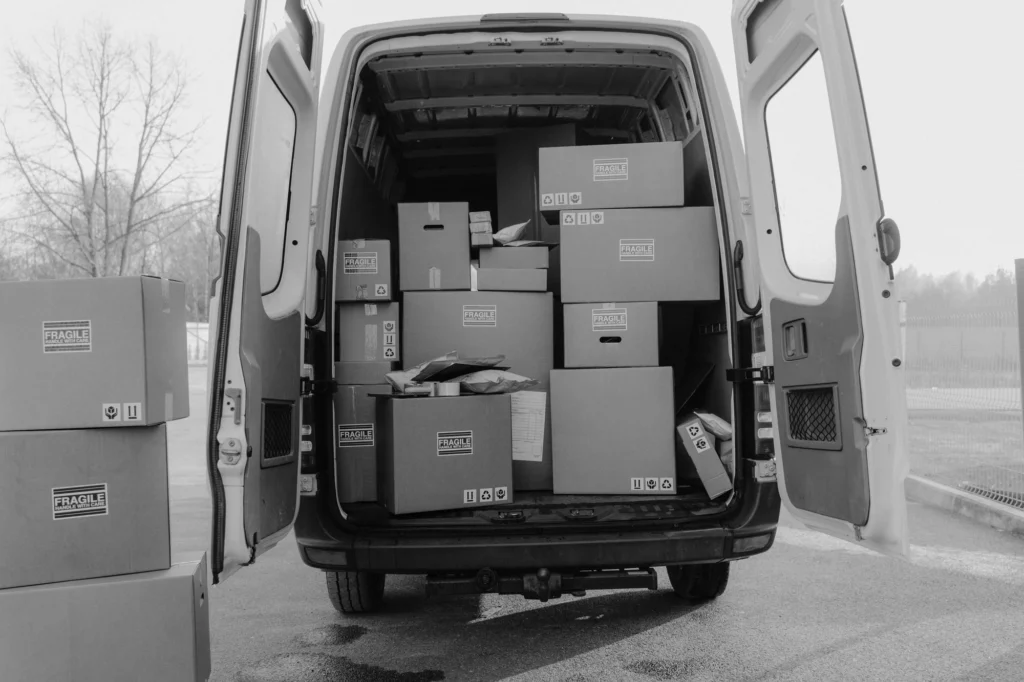
Sometimes your move does not fit into one day. Your old home has to be empty while the new one is not ready yet, or you are living somewhere smaller for a while. Then temporary storage is a solution. Below you can read when storage comes in handy, what types there are and how to store your things so they come out in good condition.
When do you need temporary storage?
The most common situations:
- A gap between two homes. You sell your house and the new home is only available weeks or months later.
- A delayed new build. The completion date keeps moving, while your old home has already been sold or the tenancy ended.
- Renovating. You want a room or the whole house empty for a renovation.
- Living somewhere smaller for a while. For example in a temporary home, during a stay abroad or if you move in with family for a bit.
- Downsizing. You do not know yet what you want to do with all the furniture, and you do not want to decide under pressure.
What types of storage are there?
Roughly speaking, there are three options:
- Self-storage. You rent a unit in a storage building and drop off and collect your things yourself. You can usually get to them in between.
- Container storage. Your belongings go into sealed containers or crates in a storage warehouse. This is often linked to a removal company, which handles loading and transport. Getting something out in between is less easy.
- With family or friends. An empty garage or loft can work fine, as long as it is dry and you make clear agreements.
Which type suits you depends on how long you need storage, how much you have and whether you need to get to it in the meantime.
What to look out for in a storage space
- Dry and frost-free. Damp is the biggest enemy of furniture, mattresses, papers and electronics.
- Security. Ask about access, cameras and who else can get in.
- Access. Can you get in every day, or only by appointment?
- Insurance. Ask what the storage company covers and check your own contents insurance too. Not every contents insurance policy covers belongings outside your home.
- Term and notice period. Especially with a new build, you want to be able to extend if completion runs late.
Packing for storage
Things that will be stored for a few weeks or months need packing differently from a one-day move.
- Use sturdy boxes of the same size, so you can stack them well.
- Fill each box completely, so it does not collapse under the weight of other boxes.
- Clean and dry everything before you pack it. Even a little moisture can turn mouldy in an enclosed space.
- Dry the fridge and freezer thoroughly and leave the door ajar.
- Do not wrap plastic film tightly around wooden furniture or mattresses. Moisture cannot escape that way. Choose a breathable cover or a blanket.
- Take the batteries out of devices.
- Never put food, plants or flammable substances in storage.
For the packing itself, the tips from packing smart are useful here too.
Make a list and a floor plan
After a few months, you will no longer know exactly where everything is. So number each box and keep a list of the contents, for example in a note on your phone. Put things you might need in the meantime, such as winter clothes or important papers, at the front. Long items and furniture go at the back, boxes in rows with a walkway if possible.
Planning to move twice
With temporary storage, you are really moving twice: first to storage, then to your new home. Include that in your planning and your budget. Also think about what you will need straight away in the meantime and what can go into storage. If in doubt, take less to your temporary address than you think.
If you are storing things because you are downsizing, also read downsizing without stress.
Talk through your move and storage
Not sure yet how you want to go about it? Then request the free moving check. GD Verhuisbedrijf will then look at your move with you and everything that comes with it.
Frequently asked questions
How long can you keep things in temporary storage?
That is up to you, from a few days to months or longer. Pay attention to the minimum rental period and the notice period, so you can extend if needed.
Are my belongings insured in storage?
That varies by provider and by insurance policy. Ask the storage company what is covered and check with your own contents insurance whether belongings outside the home are also covered.
What is not allowed in a storage unit?
Usually no food, plants, animals, flammable or explosive substances or chemicals. Ask the provider for their house rules.